Classes 9 and 11
Best fit this term: no board exams in the way, so you can focus on your project.
Programs / Young Computational Neuroscientist Program
Jan and Mar Cohorts — Applications open
Current cohortSep 18 – Dec 7, 2026In progress
Can you solve a mystery of the brain?
Open to Classes 9–12. Python for brain modelling is taught as part of the program.
Best fit this term: no board exams in the way, so you can focus on your project.
Build the research skills behind a strong Extended Essay or IA.
Start early and explore where engineering meets medicine, through code.
Common to all participants
Common to all participants
Participants divided into 6 teams — 2 per computational approach
Six teams, six brain mysteries: what the Sep 18 – Dec 7, 2026 cohort is working on right now.
 Feedforward Networks
How can a stationary image produce neural signals interpreted as movement?
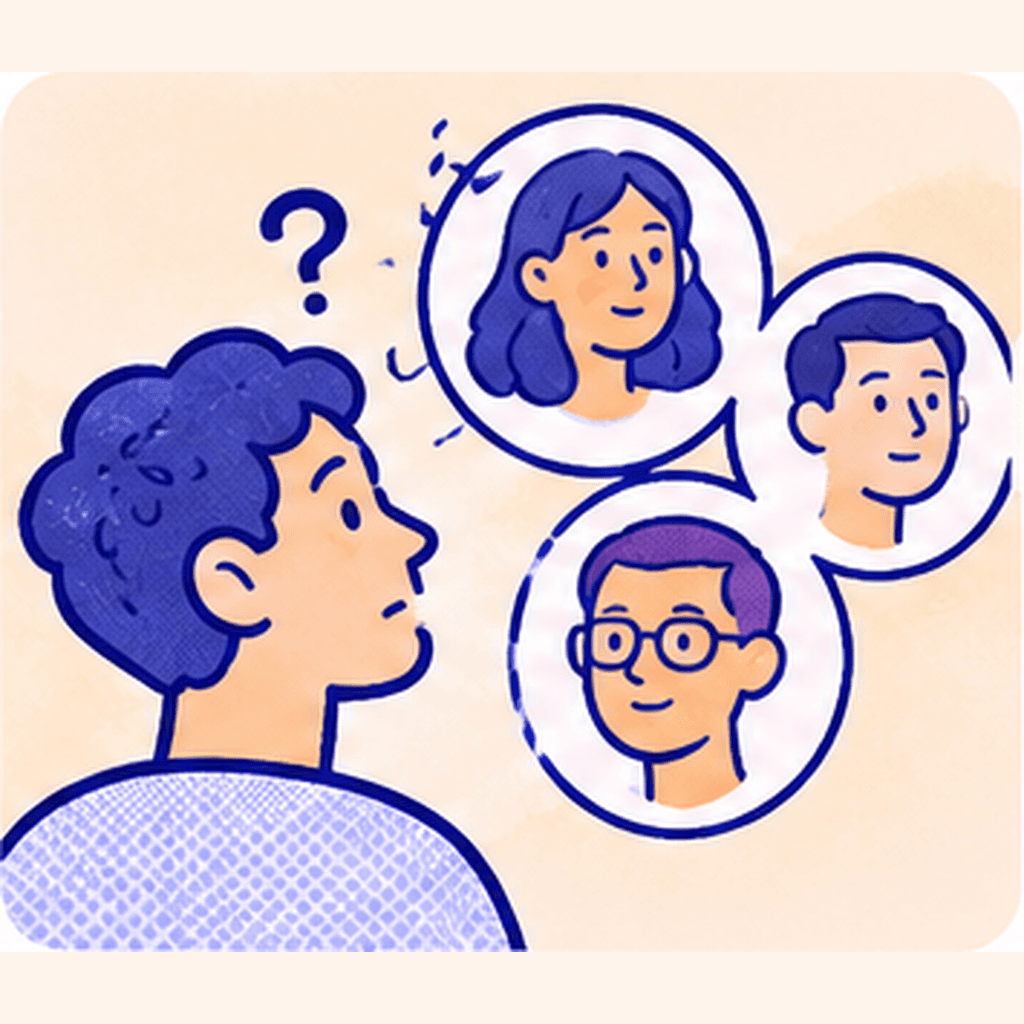 Feedforward Networks
How can face detection remain intact while face identity recognition fails?
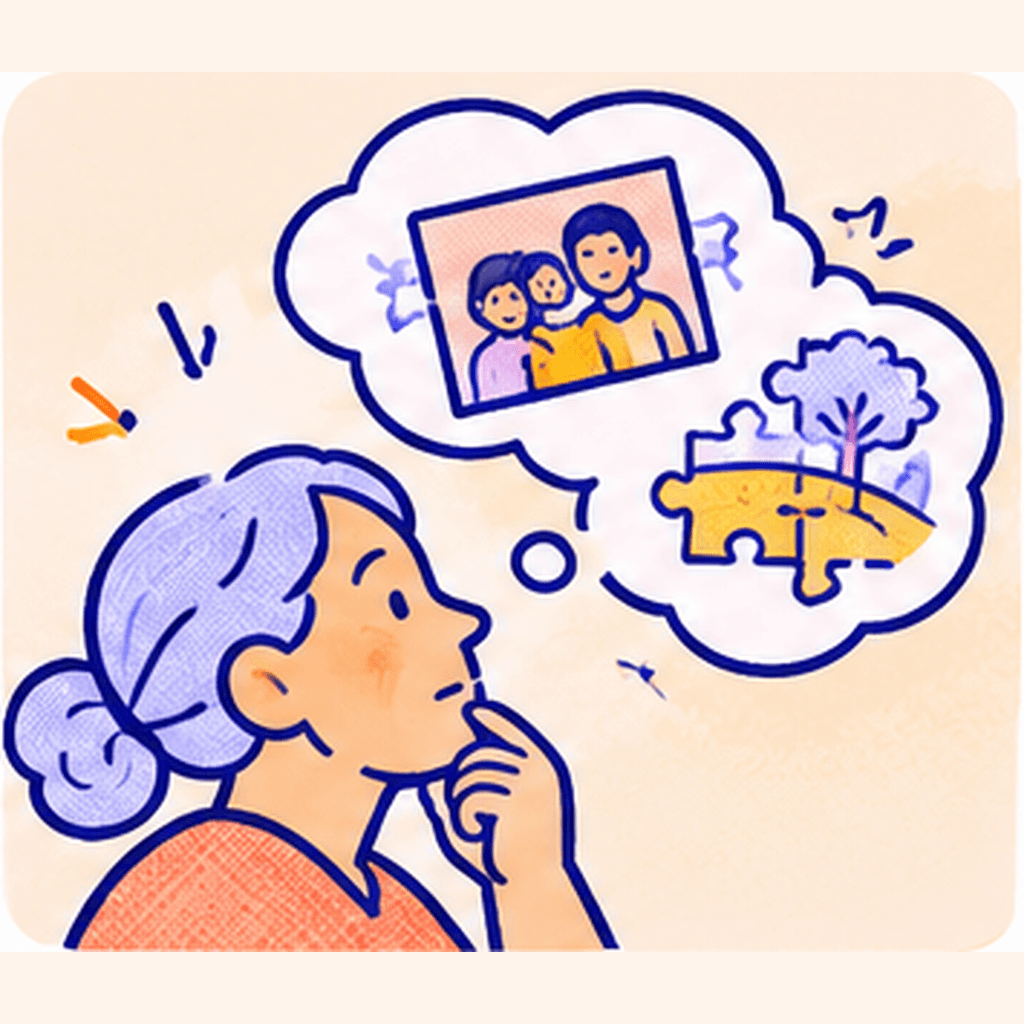 Attractor Systems
Why are some stored memories more vulnerable than others?
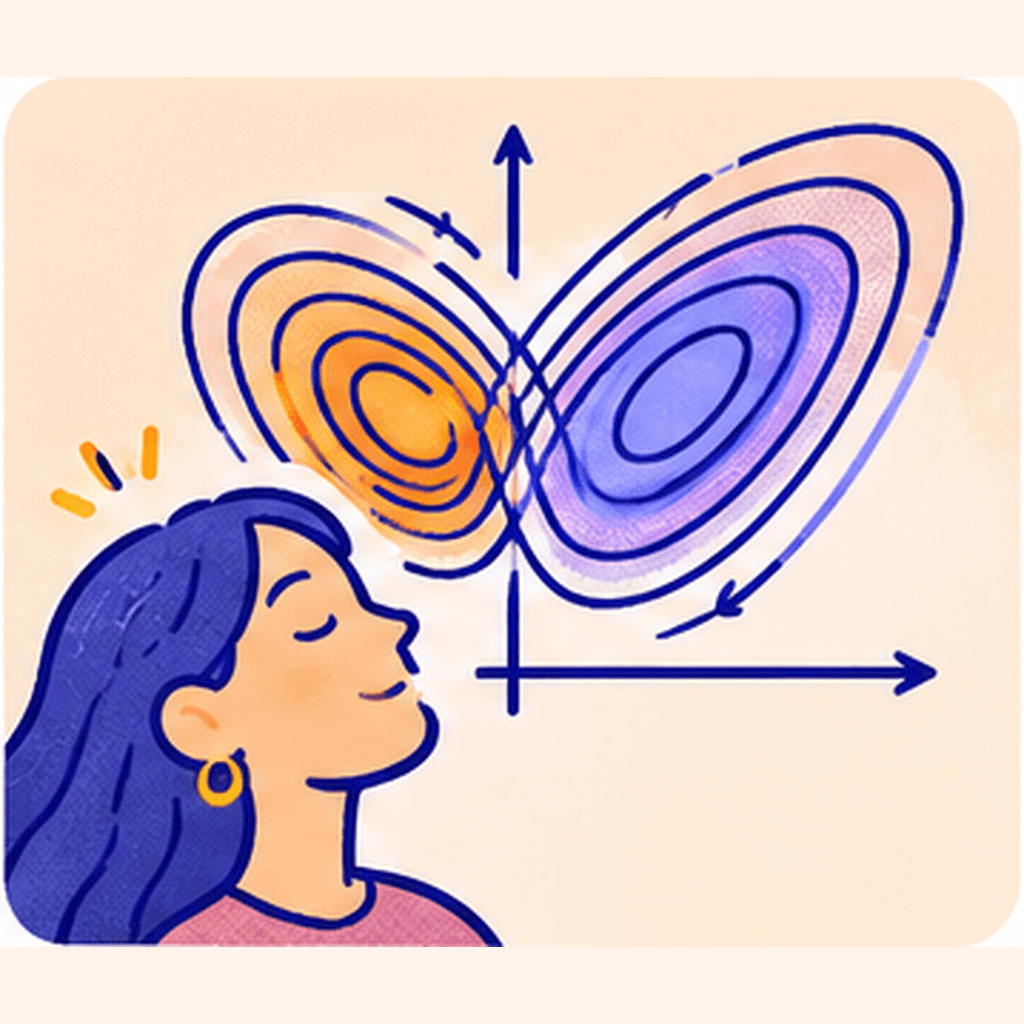 Attractor Systems
How can a temporary emotional change become a persistent mood state?
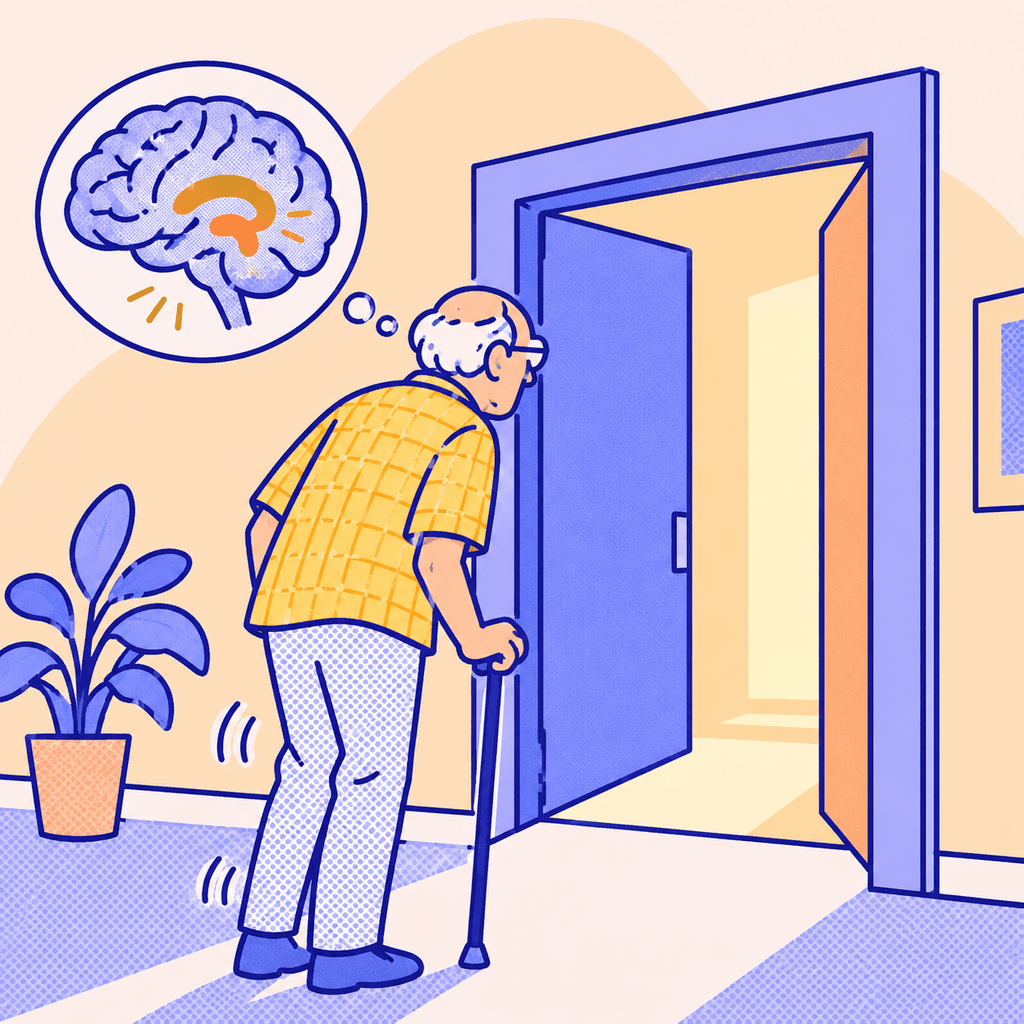 Reinforcement Learning
Why might a narrow doorway cause an interruption of otherwise successful walking?
 Reinforcement Learning
Could apparently inconsistent behaviour arise from an agent that explores too much?
Login to apply.
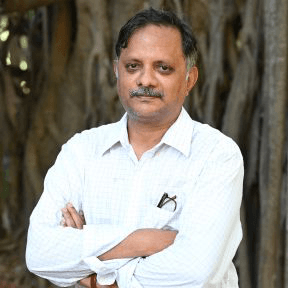
Director & Co-founder, NeurogatiProfessor, Biotechnology, IIT Madras
Heads the Computational Neuroscience Lab and the Parkinson's Therapeutics Lab; 25+ years in neuroscience.
In the final stage, small teams pick one of six open questions about the brain, build a model in Python and test their own hypothesis, with a Neurogati mentor guiding every step.
Research project · Jan 2027 cohort
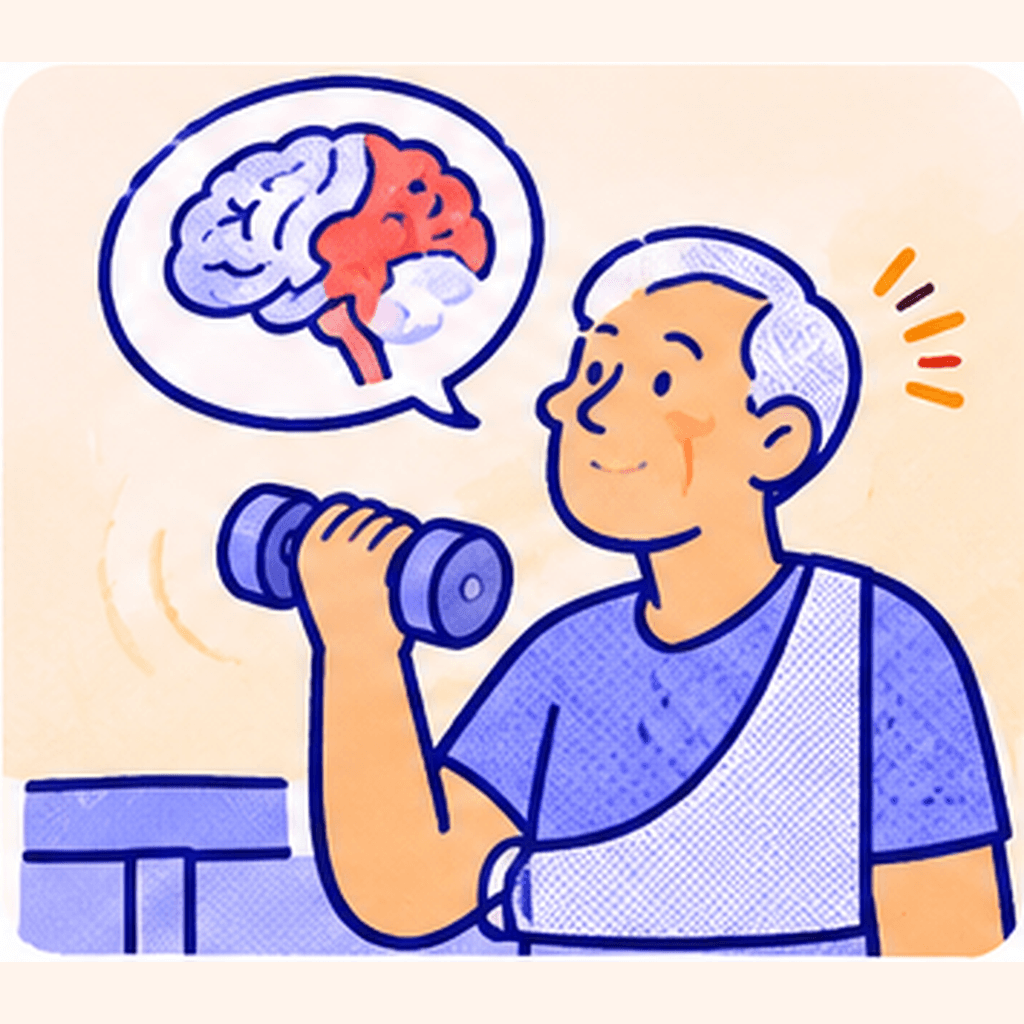
How does the brain relearn a skill after a stroke?
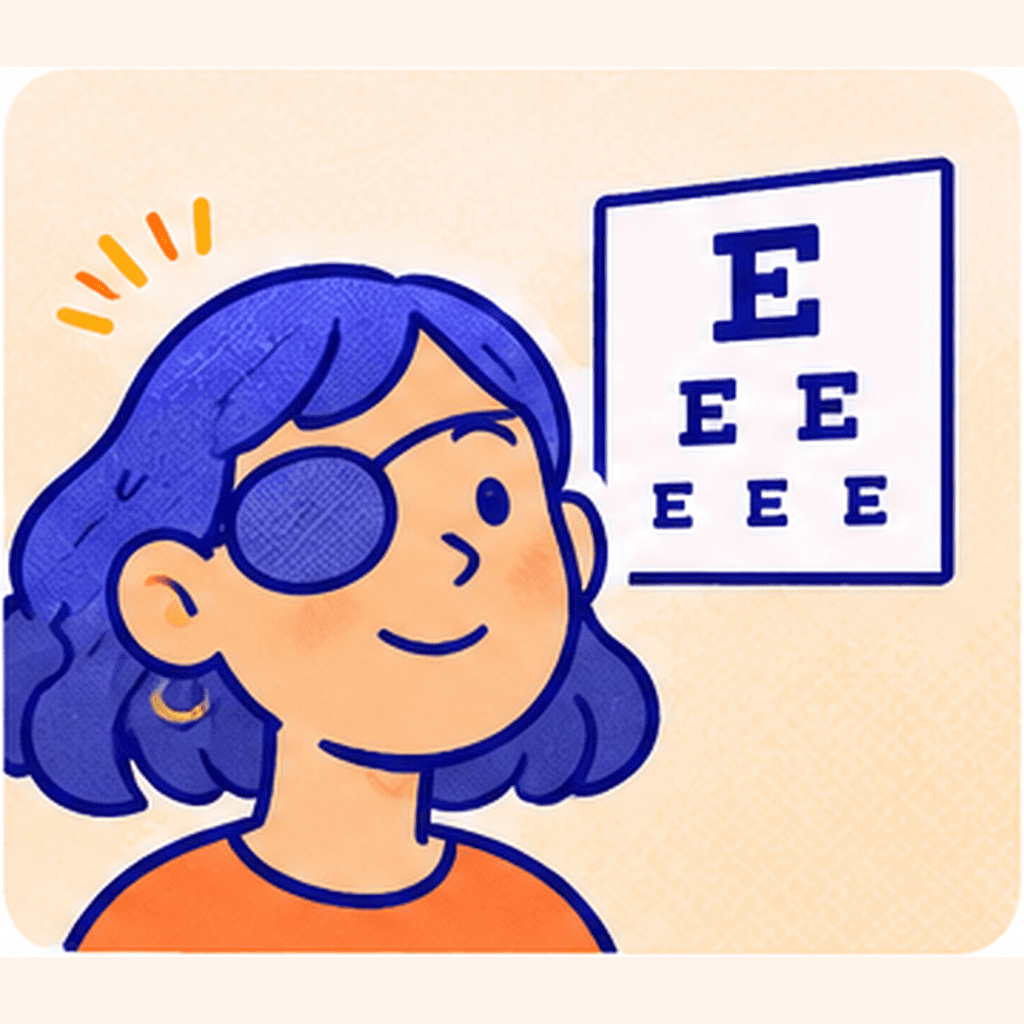
Why does the brain stop listening to one eye?
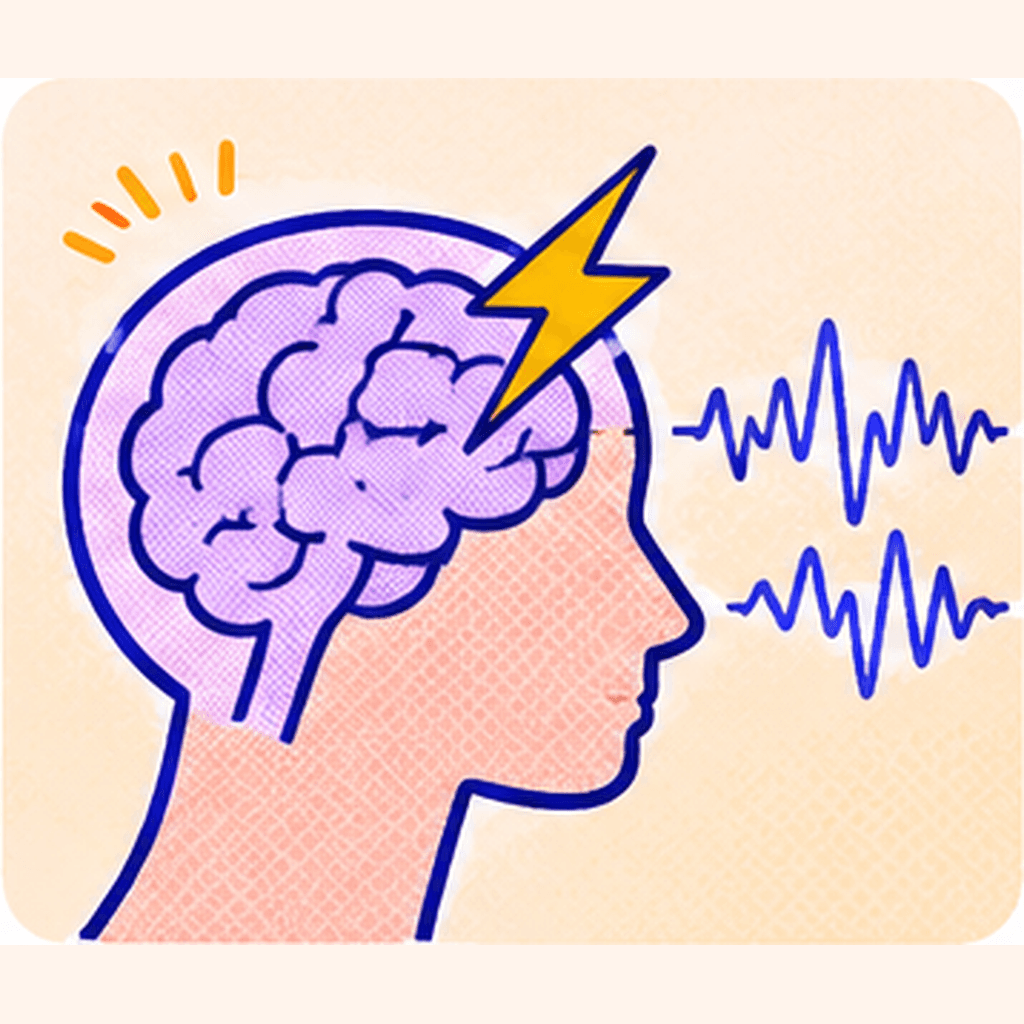
How does a calm network suddenly tip into a seizure?

How does the brain keep track of which way you're facing?
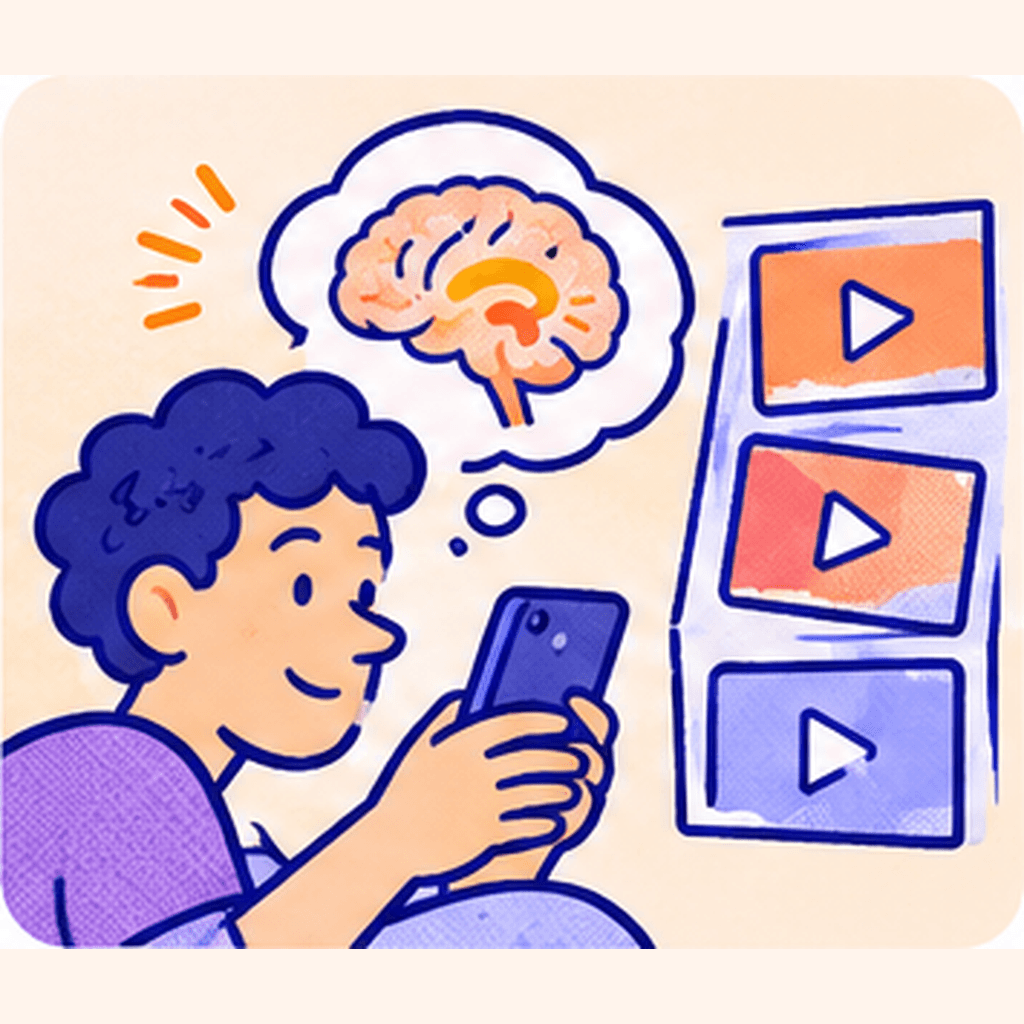
Why do quick, unpredictable rewards keep us scrolling?
Could “restless” behaviour come from exploring too much?
The two-week Summer Research Training Program in Computational Neuroscience and Brain Modeling was an excellent learning experience for my child. Complex concepts were introduced to high school students in a simple, clear, and comprehensive way. The thoughtful balance of theory, hands-on assignments, research discussions, and mentor guidance helped build confidence, technical skills, and a deeper interest in neuroscience and computational modeling. This positive experience encouraged me to enroll my son in the extended research program. I strongly encourage local high school students to consider this program.
Summer Research Training Program
My daughter participated in Neurogati's Computational Neuroscience Research Program, Phase 1, and found it to be an excellent introduction to an exciting and opportunity-rich field. She was especially impressed by Dr. Chakravarthy and his PhD students, who taught the material with clarity, patience, and deep expertise. The instructors made sure students understood the concepts, while the homework assignments encouraged genuine curiosity and exploration. My daughter often went beyond the required work to experiment further with the models introduced in class. I am very grateful for the quality of instruction and the thoughtful structure of the program. I would highly recommend Neurogati's program to students who are interested in neuroscience, computation, or research and want to build a strong foundation in computational neuroscience.
Computational Neuroscience Research Program, Phase 1